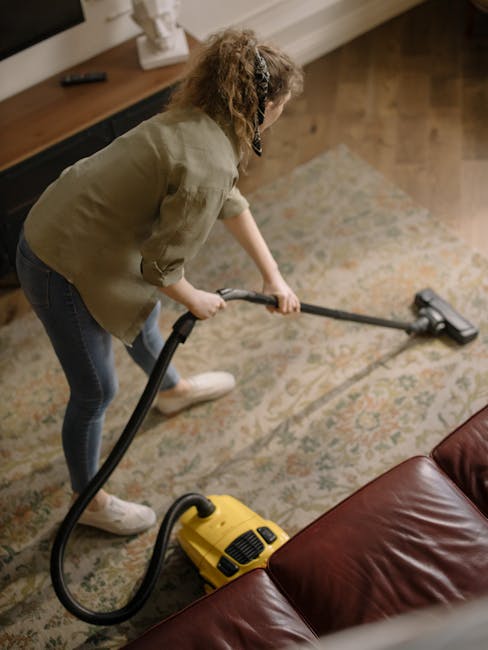
Carpet cleaning near Sydenham Hill station what to expect
If you are looking into carpet cleaning near Sydenham Hill station what to expect, you probably want the simple version first: how the visit works, how long it takes, what it costs, and whether your carpets will actually look and feel better afterwards. Fair enough. Nobody wants a vague sales pitch, especially when you have a hallway that sees muddy shoes, a lounge that traps dust, or a family carpet that has taken one too many spills.
This guide walks through the whole experience in plain English. You will learn what a professional clean usually includes, what affects drying time, how to prepare your home, which methods suit different fibres, and the common mistakes people make when booking carpet cleaning near Sydenham Hill station. It also covers practical checks for trust, safety, and aftercare, so you know what good service looks like before anyone opens a bottle or turns on a machine.
Why carpet cleaning near Sydenham Hill station matters
Carpets do a lot of quiet work. They soften footsteps, reduce echo, and make a room feel finished. But they also trap grit, dust, pet hair, pollen, and all the small bits of life that arrive on shoes, paws, bags, and prams. Near a station, that build-up can happen a bit faster than people expect. Commuter traffic, weather changes, and everyday footfall all add up.
That is why carpet cleaning is not just about appearances. Yes, a clean carpet looks fresher. But the bigger story is comfort, hygiene, and preserving the life of the fibres. If dirt is left to grind into the pile, it can flatten the texture and make the carpet look tired long before its time. Let's face it, no one enjoys paying for replacement when better upkeep would have helped.
There is also the practical side. A deep clean can help reduce stubborn odours, lift tracked-in grime, and improve the feel of a room right away. If you are hosting guests, renting out a property, or just trying to get a bit of pride back into the space, the difference is usually obvious within minutes of the first pass.
For people comparing local providers, it helps to know the difference between a quick surface refresh and a proper treatment. A genuine carpet cleaning visit should involve inspection, pre-treatment, mechanical cleaning, and sensible drying advice, not just a bit of perfume and a shrug.
Expert summary: Good carpet cleaning is part cleaning, part care advice, and part risk management. The best results come when the method matches the carpet, the soil level, and the drying conditions in your home.
How carpet cleaning near Sydenham Hill station what to expect works
Most professional carpet cleaning visits follow a fairly predictable rhythm, though the details vary by carpet type and method. In general, the process starts with a short survey of the rooms and the fibres. The cleaner will look at pile direction, marks, traffic lanes, furniture positions, and any areas that need special attention such as spills, pet accidents, or worn patches by a doorway.
Then comes vacuuming and pre-treatment. This is where loose debris is removed and any visible stains are treated before the main clean. Skipping this stage is a bit like washing a muddy coat without brushing off the worst of the mud first. It can still improve things, but not by as much as it should.
After that, the chosen cleaning method is applied. Many homes benefit from hot water extraction, often called steam cleaning in everyday speech. Some carpets are better suited to low-moisture methods, especially where drying time needs to be shorter or the fabric is more delicate. In some cases, stain-specific treatment or deodorising may be included, but that should always be explained clearly, not hidden in jargon.
The final stage is extraction, grooming, and drying guidance. A carpet may be left lightly damp, not soaking. You should receive practical advice on when to walk on it, when to move furniture back, and how to keep the room ventilated. If a provider is also discussing wider home care, you might find their stain removal support useful for spots that need targeted attention rather than a full-room clean.
Some customers are surprised by how much detail goes into the visit. But honestly, that detail is the point. A clean carpet is not just the result of a machine. It is the result of a decent process, good judgement, and a technician who knows when to go slower.
What usually happens on arrival
- A quick introduction and room-by-room inspection
- Confirmation of the carpets to be cleaned
- Discussion of stains, traffic areas, pets, and fibre type
- Explanation of the chosen method and expected drying time
- Protection of skirting, furniture, or nearby surfaces where needed
Key benefits and practical advantages
The obvious benefit is a cleaner-looking carpet, but the real value goes further. A proper clean can revive colour, reduce that dull grey cast in busy areas, and make the room feel brighter. In a home near public transport, shops, or shared routes, that can be very noticeable by the front door and hallway.
Another benefit is comfort underfoot. Carpet fibres that are full of grit feel harsher, and once they are cleaned out the carpet often feels softer again. It sounds small until you notice it, then you sort of can't un-notice it.
There are practical money-saving advantages too. Regular maintenance can extend the usable life of a carpet, which matters if you have fitted carpet across multiple rooms or manage a rented property. Replacing flooring is expensive, disruptive, and never as quick as people hope.
For allergy-aware households, cleaning may also help reduce some of the material that collects in carpets, although results depend on the room, the vacuuming routine, and the nature of the fabric. It is best to think in terms of improved cleanliness rather than dramatic promises.
If you are comparing services, it can also be worth checking wider upholstery or soft furnishing needs at the same time. A room often looks "half cleaned" if the carpet is fresh but the sofa still holds marks. That is why some homeowners pair carpet work with upholstery cleaning or even rug cleaning for a more complete refresh.
Who this is for and when it makes sense
This service makes sense for a wider group than people sometimes realise. It is not only for deep stains or end-of-tenancy clear-outs. In fact, waiting until a carpet looks obviously bad is usually a sign it should have been cleaned earlier.
Households with children, pets, or heavy foot traffic will usually see the most obvious benefit. So will people living in flats or homes where a hallway, stairs, or living room gets used constantly. If you have a cream carpet and a lively family, well, you already know the story.
It also makes sense before or after certain life events. Moving house, preparing a property for sale, welcoming a baby, after renovations, or tidying up after a long winter can all be sensible times to book a clean. Commercial settings can benefit too, especially entrance areas, waiting rooms, and communal spaces that see daily wear. For businesses, commercial carpet cleaning is often best planned outside opening hours to reduce disruption.
There are times when spot treatment may be enough. A single fresh spill, for example, may not need a full-room service if you can deal with it early and correctly. But once the spill has sunk in, or the odour lingers, a more thorough treatment is usually the safer bet.
Step-by-step guidance
Here is the simplest way to think about a professional carpet cleaning appointment. If you know the sequence, the visit feels much less mysterious.
- Book and describe the job clearly. Mention room sizes, stain types, pets, access issues, and whether furniture needs moving. The more accurate the description, the better the quote and the smoother the visit.
- Confirm the cleaning method. Ask whether the carpet is suitable for steam extraction, low-moisture cleaning, or stain-led treatment. Different fibres react differently, and a responsible cleaner should explain that plainly.
- Prepare the rooms. Pick up small items, remove fragile objects, and clear accessible floor space if possible. You do not need to empty the house. Just make life easier for the technician.
- Walk through problem areas. Point out marks you care about most. The faded coffee patch under the table? Mention it. The spot by the radiator? Mention that too.
- Allow pre-treatment and cleaning. Expect a bit of noise, hoses, machine movement, and damp patches while the work is underway. It is normal.
- Review drying advice. You should be told when it is safe to walk on the carpet lightly, when to replace furniture, and how to keep airflow moving.
- Follow the aftercare. Avoid heavy traffic, be careful with shoes, and do not rush to scrub a mark if it reappears. Sometimes a stain wicks back as the pile dries.
If the company offers guidance on payment, security, or service terms, those details should be easy to understand before you book. It is sensible to review pricing and quotes alongside payment and security so there are no awkward surprises afterwards.
Expert tips for better results
First tip: do not wait until stains have fully set if you can help it. Fresh marks are usually easier to treat than old ones, especially things like coffee, wine, mud, or pet accidents. Even if you are not calling someone out immediately, blotting gently with the right approach is better than rubbing hard. Rubbing just spreads the mess around. Annoying, but true.
Second tip: vacuum properly before the visit if you have time. A quick once-over is fine, but a more careful vacuum lifts loose debris and helps the cleaner focus on the embedded soil. It is a small step with a big payoff.
Third tip: tell the truth about the carpet. If there are pet odours, heavy foot traffic, or a DIY cleaning product already used on the stain, say so. That information helps avoid guesswork. Sometimes a carpet looks like it has a normal spill but there is actually a residue from a supermarket cleaner underneath. That can change the whole game.
Fourth tip: manage expectations around old stains. Some marks improve dramatically; some fade but do not vanish completely. Faded dyes, bleach spots, and deep-set damage may not respond in the way people hope. An honest cleaner should explain that early rather than pretend every mark is magic-erased. There is no magic wand, sadly.
Fifth tip: ask about related soft furnishings if the same room needs a broader refresh. Curtains, sofas, mattresses, and rugs all hold dust and odour in slightly different ways, and tackling them together can make the room feel properly finished. You can explore options like sofa cleaning, mattress cleaning, or curtain cleaning if the whole space needs attention.
Common mistakes to avoid
One common mistake is booking purely on price. Cheapest is not always worst, to be fair, but unusually low quotes can mean rushed work, hidden extras, or a method that is not ideal for your carpet. A proper quote should make it clear what is included.
Another mistake is not asking about drying time. If you need the room usable quickly, that matters. A steam-based method may offer excellent results but could take longer to dry than a low-moisture option. That does not make it bad; it just means the method should fit your schedule.
People also sometimes forget to mention access problems. Tight staircases, parking constraints, shared entrances, or lift restrictions can all affect how the job runs. Near a station or in busier parts of London, practical access matters more than people think. A five-minute delay here and there adds up.
Do not use random products on stains right before the clean. This is a classic move, and usually a messy one. If you have already tried a cleaner from the cupboard, mention it. Residue can change the way professional products behave.
And please, do not move furniture back onto a damp carpet too soon. That can transfer dye, leave marks, or flatten the pile in one awkward patch. A little patience saves a lot of annoyance later.
Tools, resources and recommendations
You do not need to buy specialist gear to prepare for carpet cleaning, but a few simple items help the day go more smoothly:
- A decent vacuum cleaner for pre-cleaning
- Microfibre cloths for minor blotting before the appointment
- Plastic tabs or foil under furniture feet if recommended after cleaning
- Open windows or sensible ventilation where weather allows
- A notebook or phone note for stain locations and questions
If you are trying to choose a provider, the most helpful resources are often the clearest pages on the company website. Look for straightforward information on experience, policies, service scope, and what happens if something goes wrong. For example, a reputable operator should be transparent about who they are, how they handle health and safety, and what happens if a problem needs to be raised through a complaints procedure.
It is also sensible to review insurance and safety before you commit. Accidents are rare when people are careful, but you still want reassurance that the business takes responsibility seriously.
Law, compliance, standards, or best practice
For domestic carpet cleaning, the key point is not legal complexity so much as sensible, professional practice. In the UK, you should expect businesses to handle customer data carefully, give clear pricing information, and operate in a way that is honest and safe. If a company collects personal details for booking or payment, their privacy handling should be explained in plain language.
From a practical standpoint, best practice usually means a few things: clear quotes, accurate descriptions of work, appropriate cleaning methods for the fibre, safe handling of equipment and detergents, and proper communication about any risks to delicate materials. If a carpet is wool, for example, that matters. If a stain may react poorly to moisture, that matters too.
People sometimes ask whether a cleaner should "guarantee" stain removal. A careful answer is better than a bold one. Some stains can be improved a lot, others only partly, and some damage is permanent. An honest service will explain the likely outcome rather than promise perfection.
Where commercial work is involved, there may be additional site rules, access arrangements, or internal procedures to follow. That is normal. Good operators should already be used to working around buildings, tenants, and property managers without making a fuss.
Options, methods, or comparison table
Different carpets and situations call for different methods. The right choice usually depends on fibre type, soil level, drying needs, and how sensitive the space is to moisture.
| Method | Best for | Typical strengths | Things to watch |
|---|---|---|---|
| Hot water extraction | Most synthetic and many general household carpets | Deep soil removal, strong overall refresh | Can take longer to dry if ventilation is poor |
| Steam carpet cleaning | Busy homes needing a thorough clean | Excellent for embedded grime and traffic lanes | Not always ideal for very delicate fibres |
| Low-moisture cleaning | Rooms that need quicker turnaround | Shorter drying time, less disruption | May be less intensive for heavily soiled carpets |
| Targeted stain treatment | Specific spots and localised marks | Focuses effort where it is needed most | Not a replacement for a full clean when the whole carpet is dirty |
If you are unsure which route suits your home, a good cleaner should talk you through the trade-offs rather than forcing one default method. That conversation alone often tells you a lot about quality.
Case study or real-world example
A fairly typical example is a two-bedroom flat with a hallway, lounge, and one set of stairs. The carpet looked "fine" at first glance, but the hallway had gone dull, the lounge had a couple of old drink marks, and the stairs had a dark line on the tread where everyone naturally stepped. Nothing dramatic. Just everyday wear building up slowly.
On arrival, the cleaner inspected the fibres, confirmed the best method for the carpet type, and pointed out the areas most likely to respond well and the ones that might only improve partly. The hallway and stairs were pre-treated first because they had the most compacted soil. A little extra care went into the drink marks, which had been there long enough that no one could pretend they were fresh.
The noticeable change was not only the colour, but the feel. The carpet lifted visually, the hallway looked less tired, and the rooms smelled cleaner without feeling heavily scented. That last part matters more than people expect. A clean should smell fresh, not like someone poured a candle into a vacuum bag.
What did the customer notice most? The carpet did not just look better in daylight. It looked better in the late afternoon, when the low light tends to reveal patchiness and wear. That is often the real test. Not the first glance. The 5 p.m. glance.
Practical checklist
Use this checklist before your appointment to make the visit easier and improve the result.
- Vacuum high-traffic areas if time allows
- Remove small items, breakables, and anything fragile from the floor
- Point out stains, spills, and worn areas clearly
- Ask which cleaning method will be used
- Check estimated drying time and ventilation advice
- Confirm whether furniture moving is included
- Keep pets and children away from wet areas during the clean
- Review what aftercare is recommended for the first 24 hours
- Ask how complaints or follow-up concerns are handled if needed
- Save the quote and service details for reference
If the room also needs wider textile care, it can be worth sorting the whole space in one go. Services such as pet stain odour removal or steam carpet cleaning may be relevant depending on what you are dealing with.
Conclusion
When you book carpet cleaning near Sydenham Hill station, what to expect should be simple, clear, and reassuring: a proper inspection, a method suited to your carpet, sensible treatment of stains, and honest advice about drying and aftercare. That is what a good visit looks like. Not drama, not mystery, just careful work done properly.
The real value of professional carpet cleaning is not only the visible improvement, but the way it makes a room feel more cared for. Cleaner carpets change the whole mood of a home. You notice it when you step inside, and again later when the light drops and the room still feels fresh. That's the nice bit, really.
If you are comparing providers, focus on clarity, trust, and fit rather than hype. Ask sensible questions, check the service details, and choose the option that feels honest as well as practical. A little care now can save a lot of hassle later.
Get a free quote today and see how much you can save.
And if you are still weighing up the timing, that is perfectly normal. The best results usually come from a calm, well-planned clean, not a rushed decision made at 9 p.m. after spotting one stubborn mark.
Frequently Asked Questions
How long does carpet cleaning usually take?
It depends on room size, soil level, and the cleaning method. A small room may be done fairly quickly, while stairs, hallways, or heavily used carpets take longer. The cleaning itself is only part of the time; drying matters too.
Will my carpet be soaking wet afterwards?
No, it should not be. A well-done clean leaves the carpet damp, not saturated. If the carpet feels soaked, that is a concern and usually suggests too much water was used or extraction was poor.
How long does drying take?
Drying varies with fibre type, airflow, humidity, and the method used. Many carpets dry within hours, but some take longer. Good ventilation helps, and the cleaner should give you realistic guidance rather than a guess.
Can all stains be removed?
Not all stains can be fully removed. Some improve a lot, some only partly, and some cause permanent fibre damage or colour loss. Honest expectations are better than false promises.
Is steam cleaning safe for wool carpets?
Sometimes yes, but not always. Wool and other delicate fibres need more care, and the right method depends on the carpet construction, backing, and condition. A proper inspection should happen before any cleaning starts.
Do I need to move all my furniture?
Usually not. Light items and fragile objects should be moved, but larger furniture is often handled with a plan. Ask in advance what is included so you know exactly how to prepare.
What should I do before the cleaner arrives?
Vacuum if you can, clear small items, note stain locations, and make sure access is easy. If you have pets or parking restrictions, mention them beforehand. That small bit of prep really helps.
Is carpet cleaning worth it for a rented property?
Often yes, especially if the carpet is visibly tired or has odours. A clean carpet can make a property feel more cared for, which matters at the end of a tenancy or before new occupants move in.
How often should carpets be cleaned?
There is no one rule for every home. Busy households, pets, and heavy footfall usually mean more frequent cleaning. Quieter homes can go longer. The main idea is to clean before dirt becomes embedded for too long.
What if I only have one bad stain?
If the stain is isolated, targeted treatment may be enough. But if the surrounding area is also dull or marked, a full clean can give a more even result. One spot can be the visible tip of a bigger issue.
Are the products safe for children and pets?
They should be used in a careful, controlled way, with proper ventilation and drying time. Ask what products are used and what aftercare is needed before letting children or pets back onto the carpet.
What should a trustworthy carpet cleaner explain before starting?
They should explain the method, the likely outcome, the areas of concern, drying expectations, and any limits on stain removal. That upfront clarity is one of the clearest signs you are dealing with a professional, not a guesser with a machine.